 Colombia Hub
Current Context
In recent weeks, Los Cafeteros have shown inconsistent performance, with matches ranging from brilliant to inexplicable. While the individual quality of the players is undeniable, optimizing the collective structure of the team is essential to maximize its potential for the 2026 World Cup.
Tactical Analysis
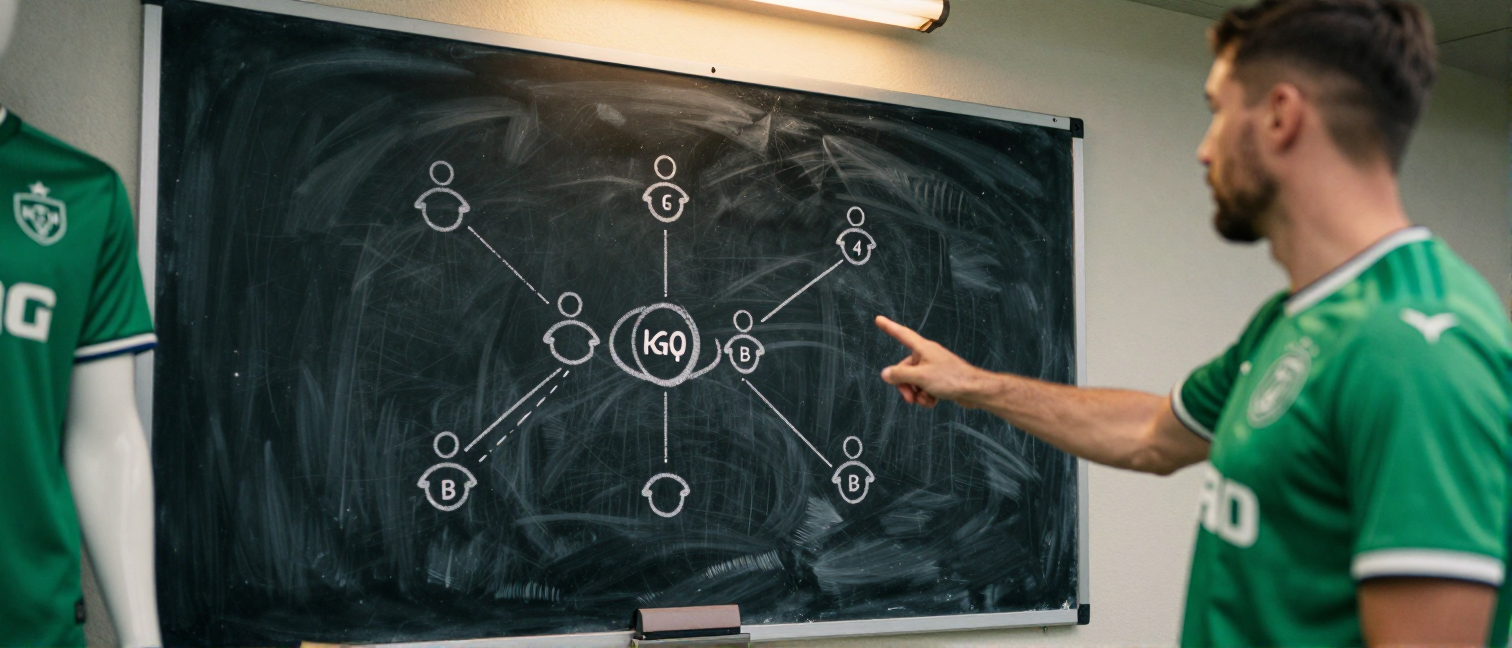
Colombia has employed a 4-2-3-1 system in several of its recent matches, favoring a solid defense and allowing for quick transitions. However, there have been moments when this formation has appeared rigid, especially against teams that press high. Los Cafeteros have struggled to maintain possession in midfield, leading to an over-reliance on the creative sparks of players like James Rodríguez and Luis Díaz.
Suggested Adjustments
1. Incorporate an Additional Midfielder: Switching to a 4-3-3 could provide more control in midfield. By including a third midfielder, the team could facilitate possession and ball distribution, allowing for cleaner build-up play from defense. Players like Wilmar Barrios could play a crucial role in this system, acting as a holding midfielder who also supports offensive construction.
2. Reinforce Wing Play: While Colombia has talented wingers, the lack of support on the flanks has limited their effectiveness. It is crucial for full-backs like Davinson Sánchez and Johan Mojica to integrate more into the attack, providing additional options and stretching the opposing defense. This would not only create space for the wingers but also increase the likelihood of arriving in the opponent's area.
3. Greater Tactical Flexibility: Instead of a rigid approach, Los Cafeteros would benefit from a more fluid system that allows players to interchange positions. For instance, allowing Luis Díaz and Duván Zapata to move along the forward line could confuse opposing defenses and open up goal-scoring opportunities. This flexibility could also better adapt to different playing styles of opponents.
4. Defensive Adjustments: While the team has shown defensive solidity, a lack of communication in the backline has led to costly errors. Implementing cohesion exercises in training sessions can help improve synchronization among defenders. Additionally, considering a more aggressive approach when pressing the opponent could regain possession more quickly and destabilize the opposing team.
Conclusions
The path to the 2026 World Cup is one that requires strategic adjustments. With a renewed focus and adaptive tactics, Los Cafeteros can become a more formidable and competitive team on the international stage. The key will be in the implementation of these changes and the coaching staff's ability to adapt to the changing circumstances of the game.