 Colombia Hub
Introduction to the 2026 World Cup
The 2026 FIFA World Cup is shaping up to be a golden opportunity for Colombia. After missing out on the 2018 World Cup, fans of Los Cafeteros eagerly await how their national team will aim to make a mark in this tournament. With a talented group of players and a dedicated coaching staff, expectations are high. In this article, we will explore the best players, the potential roster, and what this event means for Colombian football.
Key Players in the Roster
Colombia's roster is filled with talent, but some names shine brighter than others. Luis Díaz, the winger for Liverpool, has proven to be a decisive player in the Premier League, and his speed and ability to breach defenses will be crucial. Another player to watch is Duván Zapata, who has shown his scoring prowess in Serie A with Atalanta. We cannot overlook James Rodríguez, a veteran who, despite facing ups and downs in his career, remains a leader on the pitch.
- Luis Díaz (Liverpool) - Speed and attacking skill.
- Duván Zapata (Atalanta) - Scoring ability and physical presence.
- James Rodríguez - Experience and playmaking vision.
- David Ospina (Al-Nassr) - Security in goal.
- Wilmar Barrios (Zenit) - Strong in defensive midfield.
Tactical Strategy Under Néstor Lorenzo
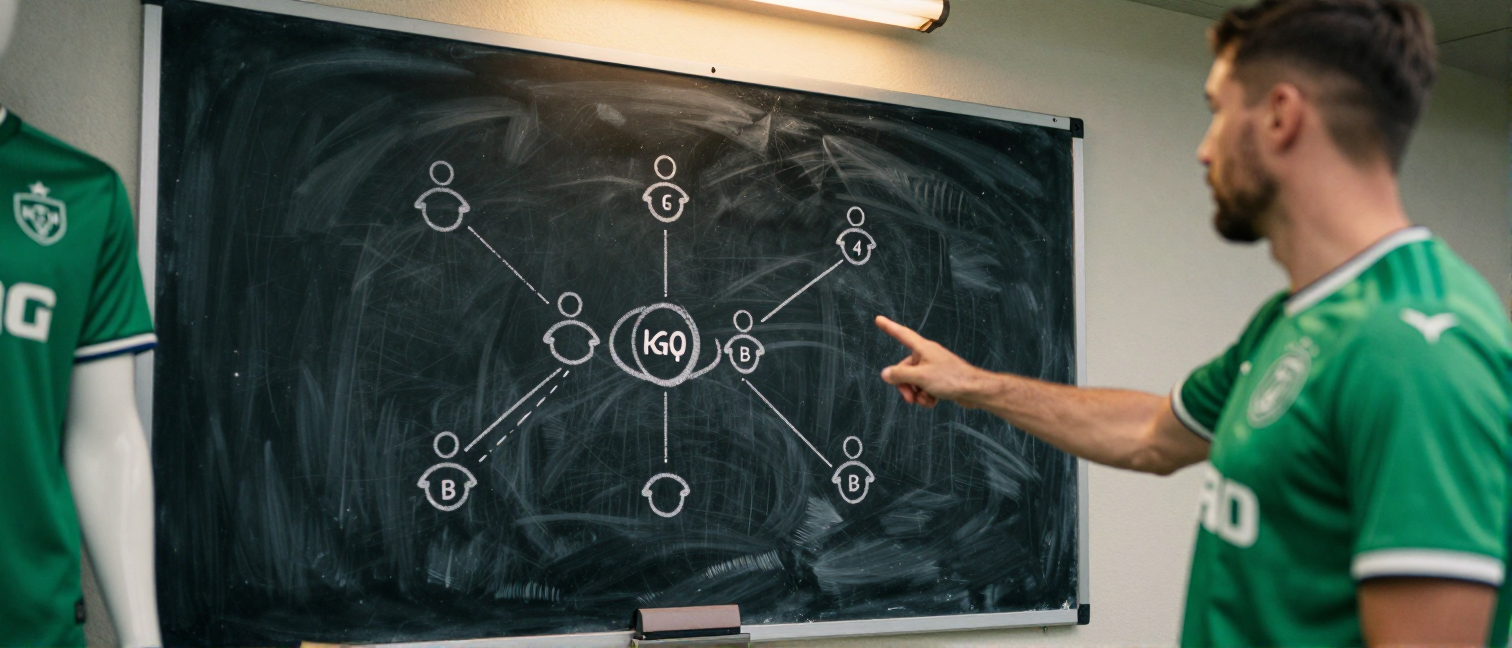
Under the guidance of Néstor Lorenzo, the Colombian national team has adopted a tactical approach that seeks to maximize the potential of its players. Lorenzo has emphasized strong defending and quick attacking, employing formations like the 4-2-3-1, allowing wingers like Díaz to play to their strengths. High pressing is another hallmark of his style, aiming to regain possession quickly to create scoring opportunities.
Lorenzo has also implemented a possession-based game, providing players with the confidence to control the pace of the match. This translates into greater cohesion on the field and the ability to adapt to different styles of play, a crucial factor in a highly competitive tournament like the World Cup.
Analysis of Groups and Rivals
The group stage of the 2026 World Cup will be crucial for Colombia's future in the tournament. According to preliminary draws, Los Cafeteros could face rivals like Brazil, Germany, and Japan. Each presents unique challenges: Brazil is a historical competitor, while Germany offers a mix of experience and youth. Japan, while less feared, has proven to be a tricky opponent in recent years.
- Potential Rivals
- Brazil - South American powerhouse, always a favorite.
- Germany - Strategy and physical play.
- Japan - Speed and technique.
These matchups will not only test the players' skills but also allow Colombia to gauge its progress on the international stage. Advancing from the group stage will be crucial for maintaining morale and moving on to the knockout rounds.
Colombia's World Cup History
Colombia's history in the World Cup has had its ups and downs. Since their debut in 1962, the team has struggled to establish itself as a formidable force. The most notable performance came in 2014, when they reached the quarter-finals, leaving a lasting impression on fans. However, the fall in 2018 was a hard blow, making this upcoming tournament even more significant for players and supporters alike.
Recent history has shown growth in the quality of Colombian football. With a renewed focus and a group of talented youngsters, Los Cafeteros aim not just to participate, but to leave their mark in the 2026 edition, which will be held in the United States, Canada, and Mexico.
Fan Reaction and Expectations
The Colombian fanbase is known for its unwavering passion and loyalty. With the World Cup on the horizon, the atmosphere is one of optimism. Social media is buzzing with predictions and debates about who should be included in the final roster. Many view Colombia as a potential dark horse in the tournament, especially if key players can maintain their form.
- Fan Expectations
- Strong support in matches.
- High confidence in the team.
- Hopes of seeing James at his best.
Supporters are eagerly awaiting the matches and are already making plans to travel to tournament venues. The bond between the team and its fans will be crucial for success in the World Cup.
What's Next for Colombia?
With the 2026 World Cup in sight, Colombia must focus on fine-tuning its strategy and solidifying its team. Pre-tournament friendly matches will be crucial to assess player performance and make necessary adjustments. Physical and mental preparation will also be vital to face the challenges of competing on such a grand stage.
Additionally, the Colombian football federation is working on a promotional campaign to involve more youth in the sport, ensuring a bright future for football in the country. The upcoming World Cup is not only an opportunity for the present but also an investment in the future of Colombian football.
In conclusion, Colombia finds itself at an exciting crossroads with the arrival of the 2026 World Cup. With a talented group of players, a committed coaching staff, and the unwavering support of its fans, the possibilities are endless. This is the time to show the world what Los Cafeteros can achieve on the biggest stage in world football.