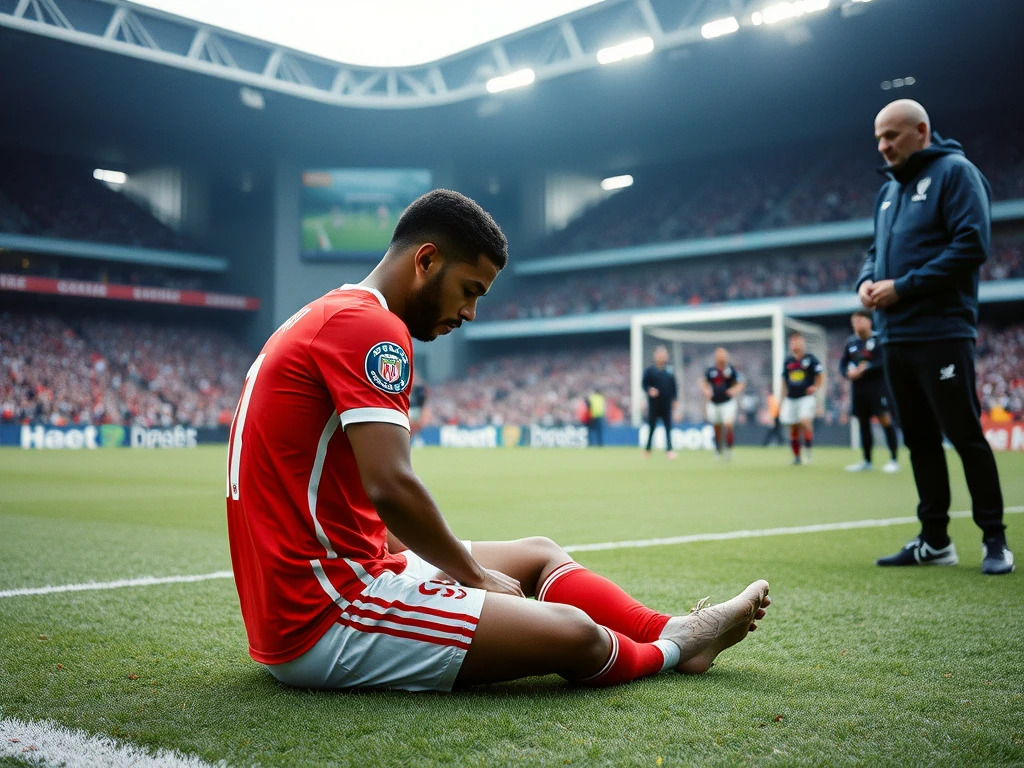

The 2014 World Cup in Brazil was a tournament filled with emotions and surprises, especially for the Colombian national team, known as Los Cafeteros. Despite Radamel Falcao, one of the world's top strikers, being forced to miss the tournament due to a serious injury, his influence on the team was significant. Falcao was not only the captain but also the heart of the team, and his absence was deeply felt on the field.
However, the team rallied around Falcao, and his leadership was evident during every match. Although he could not score goals, his presence was key in inspiring his teammates. Particularly, young talents like James Rodríguez and Juan Cuadrado benefited from the motivation and example that Falcao provided from the bench. The tournament also marked the beginning of James' golden era, as he dazzled the world with his skill and scored six goals, winning the Golden Boot.
Los Cafeteros reached the quarter-finals, an unprecedented achievement in Colombian football history. Every match was a display of passion and unity, and although the team could not go further, the impact they left on the hearts of fans was unforgettable. Colombia's performance in 2014 became a symbol of hope and pride for the country, and Falcao, even from the sidelines, was a central figure in that journey.
This tournament not only solidified Colombia's place on the world football map but also set the stage for future generations of Cafetero players. The most valuable lesson was that, despite adversities, the spirit of struggle and group unity can lead teams to achieve memorable feats. Thus, Falcao's legacy in the 2014 World Cup lives on, reminding us that true greatness is not always measured in goals but in the ability to inspire others.
As Los Cafeteros prepare for the 2026 World Cup, Falcao's spirit and story continue to serve as inspiration. The team's story is still being written, and the resilience and unity demonstrated in 2014 is a beacon for the future of Colombian football.