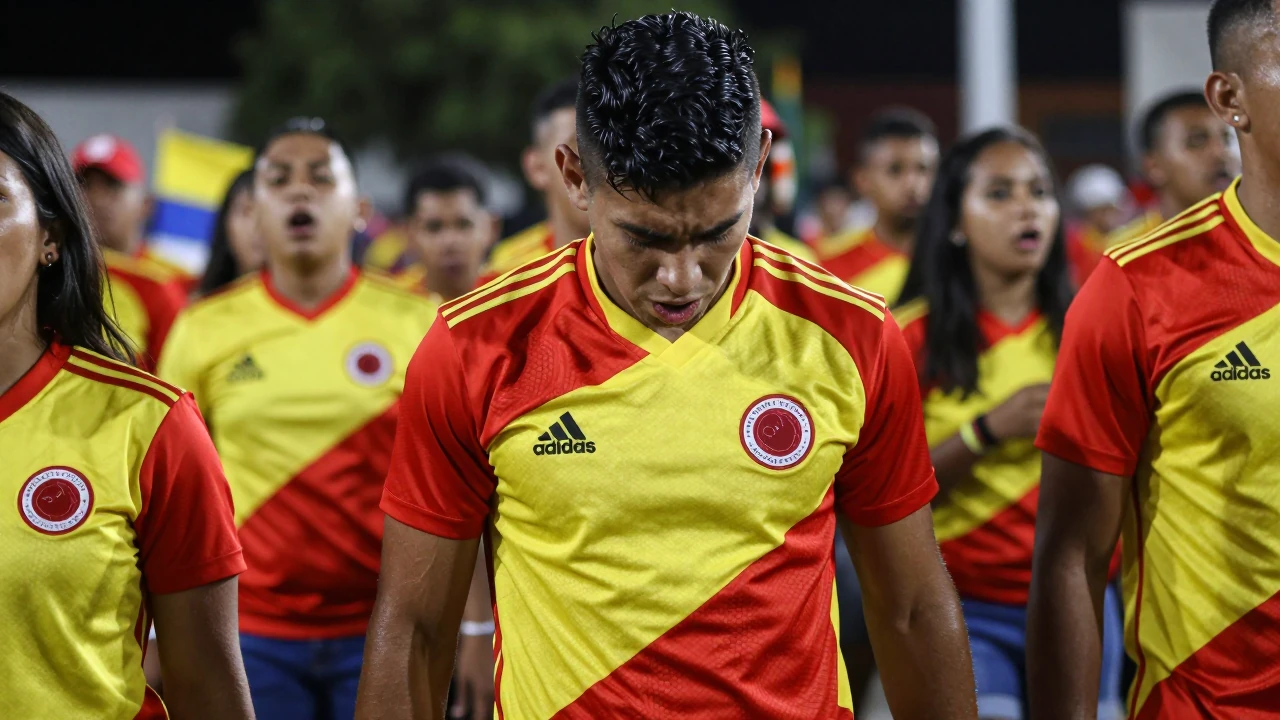

The 1994 FIFA World Cup, held in the United States, was a tournament etched in the collective memory of Colombians, not only for the expectations it generated but also for the journey that brought Los Cafeteros there. It was the first World Cup in which Colombia participated with a golden generation of players who promised to usher the country into a new era in international football. The squad featured talented players like Carlos Valderrama, Faustino Asprilla, and Andrés Escobar, who were not only recognized nationally but were also beginning to make their mark in European football.
The qualification phase was an emotional rollercoaster, with Los Cafeteros showcasing their quality and determination by defeating rivals like Argentina in a match that became legendary. With a 5-0 victory at El Campín Stadium, the Colombians earned respect and admiration from the world, becoming a feared team among their opponents. This triumph was not only a milestone on the road to the World Cup, but also a symbol of hope for a nation that had suffered greatly in previous years.
However, the tournament itself brought a mix of emotions. Colombia’s opening match was against Romania, where the team displayed their vibrant play and ability to fight until the end. On June 22, 1994, at the University of Phoenix Stadium, Colombia achieved an impressive 3-1 victory, a match remembered as one of the best in the team's history. The quality of play and the connection among the players made fans dream of reaching the later stages of the tournament.
But the story took a grim turn. In the next match, the team faced the United States, a team not considered one of the favorites. In an unexpected setback, Colombia was defeated 2-1, a result that left supporters devastated. What followed was even more tragic. Andrés Escobar, an icon of Colombian football, was murdered shortly after returning home, an event that shocked the country and the sports world.
Despite the tragedy surrounding this World Cup, the legacy of 1994 endures. Colombia's participation in that tournament not only put the country on the map of world football but also united the nation in a wave of pride and passion. Los Cafeteros became a symbol of resilience and hope, and although the journey has had its ups and downs since then, that golden generation laid the groundwork for the growth of Colombian football in the decades to come. The 1994 World Cup is remembered not only as a challenging event, but as a key moment that transformed the perception of Colombian football on the international stage.