 Colombia Hub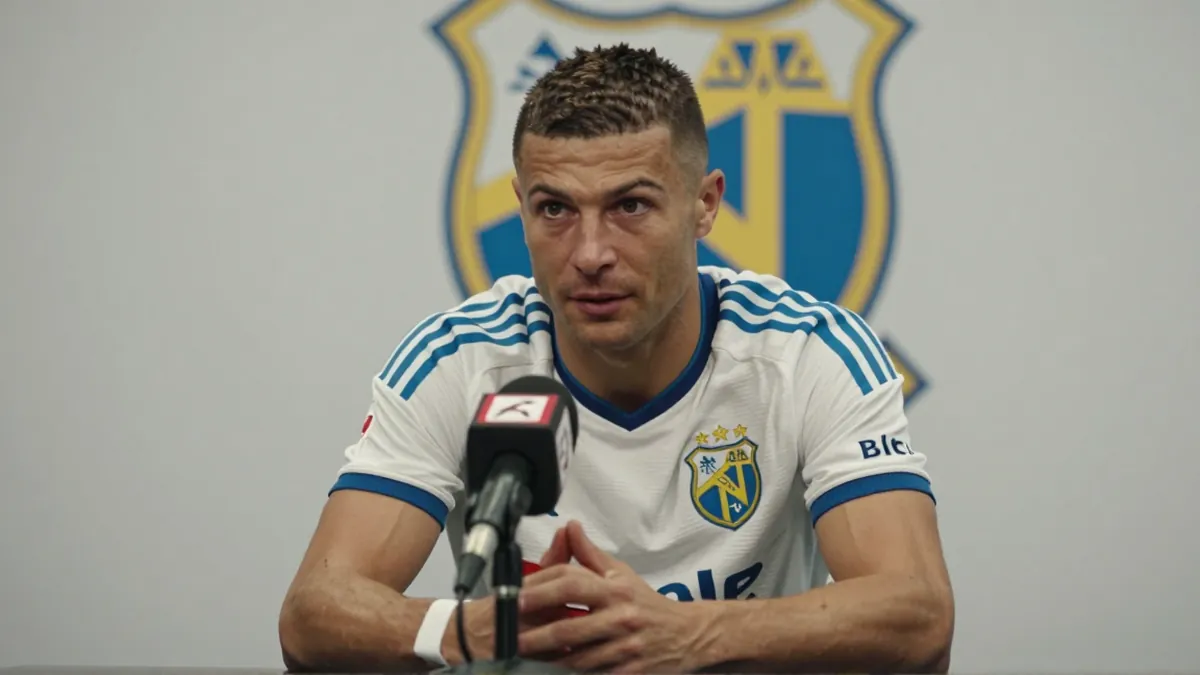
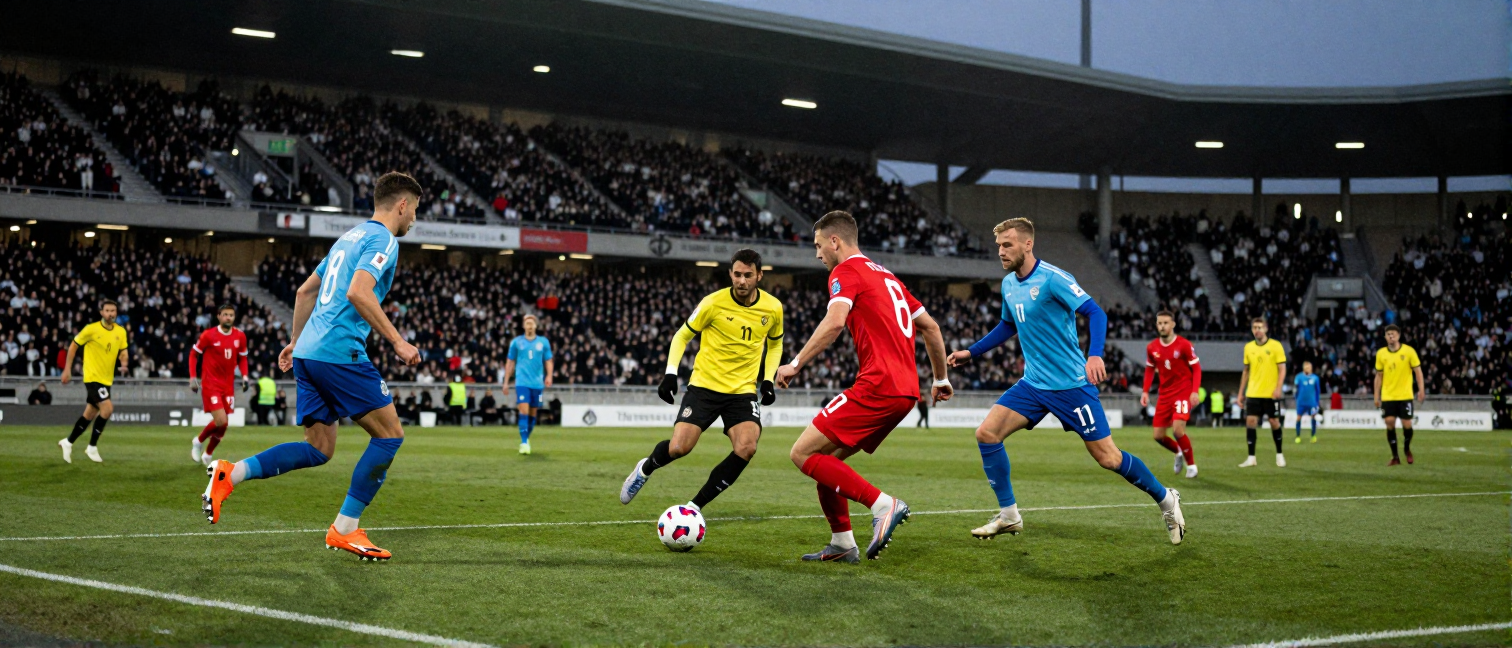
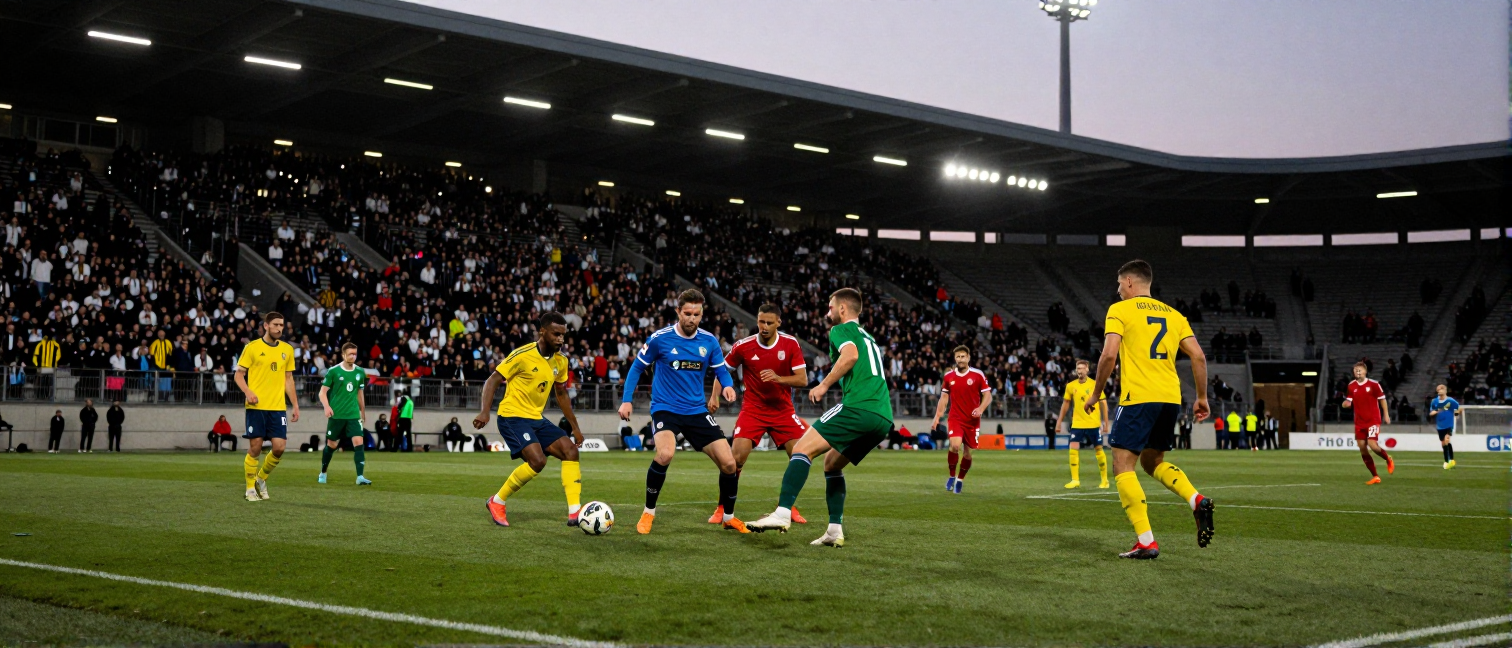
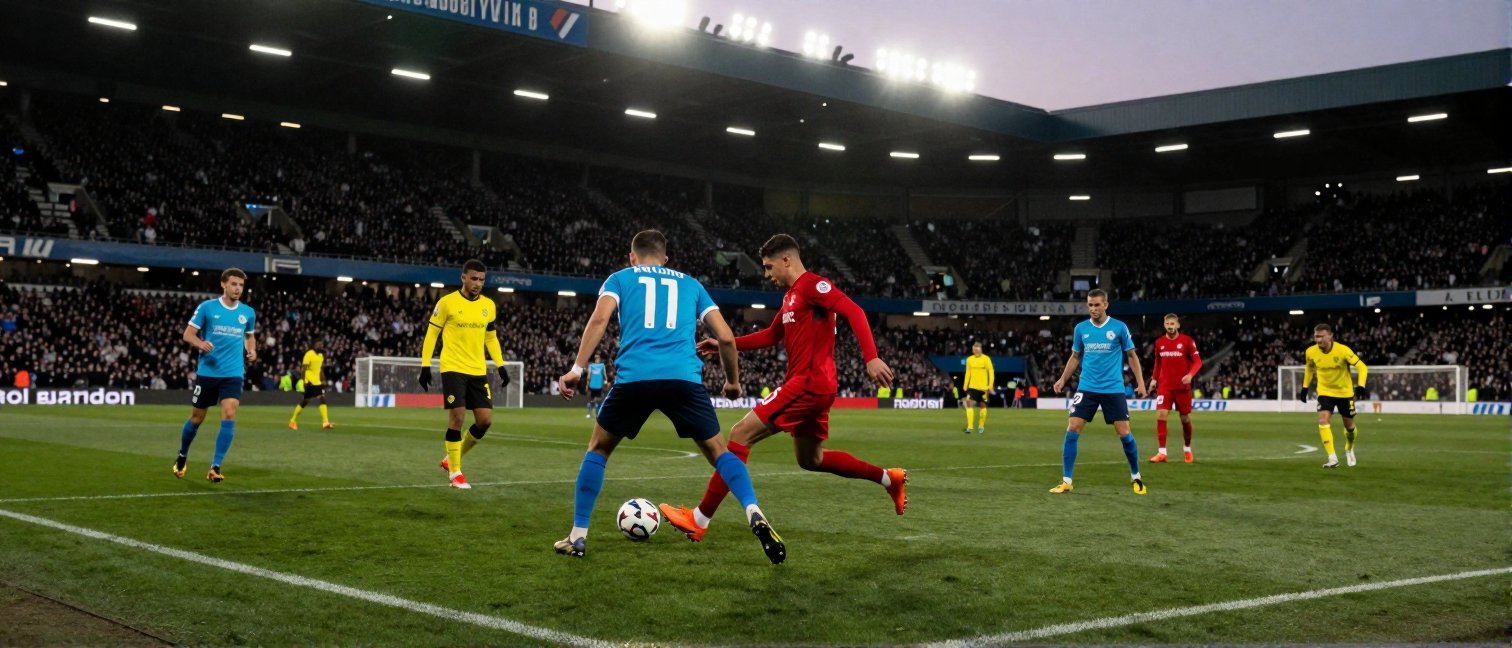
Colombia fell on penalties to Switzerland on July 8, 2026, and manager Néstor Lorenzo quickly pointed out that missed goals cost them. In the shoot‑out, Colombia lost 4‑3 after a 1‑1 draw in regular time, ending their World Cup run in Canada.
What went wrong in the knockout stage?
Lorenzo explained that the side created chances against Portugal and Switzerland but failed to finish. "Without a doubt, scoring matters, and it cost us. We reached penalties because our energy faded and the lack of goals is paid for," the Argentine coach said. In the group stage, the 1‑0 win over Congo also highlighted a shortage of finishing despite many opportunities.
How did the system change affect the game?
Replacing Jhon Arias was a tactical move. Lorenzo noted: "We were afraid of being a man down and the energy was also crucial. We switched to a 4‑2‑3‑1, but Campaz didn’t get the chance we needed." The shift aimed to add offensive presence, yet the inefficiency persisted.
What does this mean for the coach’s future?
The press conference avoided the question of Lorenzo’s continuity, but the Colombian Football Federation will assess his future. President Ramón Jesurún said the World Cup performance will be decisive. Lorenzo, regarded among the world’s top coaches, may receive offers, but any decision will come after talks with the federation.
Recent form of the team
Before the tournament, the national side showed strong form: the last result was a 3‑0 victory over Australia on November 19, 2025. In the last five matches, the record stands at 3 wins, 2 draws, 0 losses, with a two‑game winning streak. These figures highlight the squad’s attacking potential, though the pressure of the World Cup exposed gaps.
What lies ahead for Colombia?
After the exit, attention turns to Copa América 2027 and the next World Cup qualifiers. Lorenzo stressed the goal is for the team to play well, create chances and score consistently. The impressive quality of international goalkeepers will also be a factor in upcoming fixtures.